Head Injury: Causes, Symptoms, Treatment, and Recovery Guide
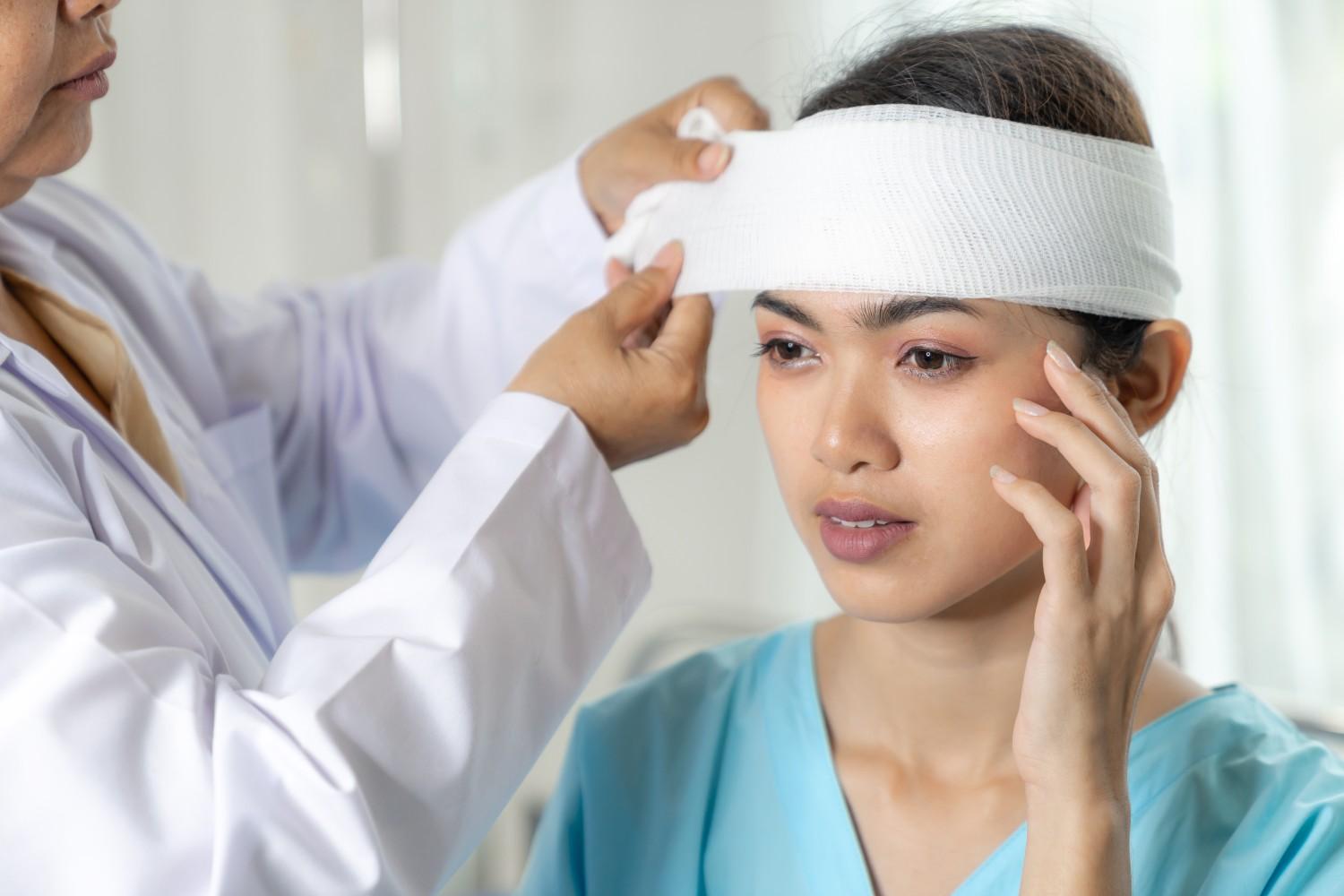
A head injury is a medical emergency that can range from a mild concussion to severe brain trauma. Early diagnosis and timely treatment play a vital role in preventing long-term complications. If you or a loved one is looking for Head Injury Treatment in Jhansi, seeking expert neurological care without delay can significantly improve recovery outcomes. At Dr. Gangesh Gunjan's neurosurgery clinic, patients receive comprehensive evaluation, advanced treatment, and personalized care for different types of head injuries.
What Is a Head Injury?
A head injury refers to any damage to the scalp, skull, or brain caused by external force. While some injuries are minor and heal with rest, others can affect brain function and require immediate medical intervention.
Head injuries are generally classified into two categories:
Closed Head Injury: The skull remains intact, but the brain may be injured due to impact.
Open Head Injury: The skull is fractured or penetrated, increasing the risk of serious brain damage and infection.
Prompt diagnosis is essential because symptoms may not always appear immediately after the injury.
Common Causes of Head Injury
Head injuries can happen to anyone, regardless of age. However, certain situations increase the risk.
Some of the most common causes include:
Road traffic accidents
Falls, especially among elderly individuals
Sports-related injuries
Workplace accidents
Physical assault
Bicycle or motorcycle accidents
Falling objects
Using helmets, seat belts, and following safety measures can significantly reduce the risk of serious injuries.
Symptoms That Should Never Be Ignored
The symptoms of a head injury vary depending on its severity. Even a seemingly mild injury can become dangerous if ignored.
Common symptoms include:
Persistent headache
Loss of consciousness
Dizziness or confusion
Nausea and vomiting
Blurred vision
Difficulty speaking
Memory problems
Excessive sleepiness
Seizures
Weakness or numbness
Bleeding or fluid leaking from the nose or ears
If any of these symptoms occur after a blow to the head, immediate medical evaluation is necessary. Patients seeking Head Injury Treatment in Jhansi should avoid delaying consultation, as early intervention can prevent serious complications.
When Should You See a Neurosurgeon?
Not every head injury requires surgery. However, certain warning signs indicate the need for specialist care.
Consult a neurosurgeon immediately if the injured person experiences:
Repeated vomiting
Increasing confusion
Severe headache
Loss of consciousness
Difficulty walking
Weakness in the arms or legs
Unequal pupil size
Convulsions
A neurosurgeon evaluates the extent of brain injury and recommends the most suitable treatment plan based on imaging studies and neurological examination.
Diagnosis of Head Injury
Accurate diagnosis helps determine the severity of the injury and guides treatment.
The evaluation may include:
Physical and Neurological Examination
The doctor assesses consciousness, reflexes, memory, coordination, and nerve function.
CT Scan
A CT scan is the most common imaging test used in emergency situations. It quickly detects skull fractures, bleeding, swelling, or blood clots.
MRI Scan
MRI provides detailed images of brain tissues and is often recommended for evaluating subtle injuries that may not appear on a CT scan.
Early diagnosis is one of the key factors in successful Head Injury Treatment in Jhansi, especially in moderate and severe cases.
Head Injury Treatment in Jhansi
The appropriate treatment depends on the severity of the injury.
Observation for Mild Injuries
Patients with mild concussions may only require:
Physical rest
Adequate hydration
Pain management
Regular monitoring for worsening symptoms
They should avoid strenuous activities until cleared by the doctor.
Medical Management
Moderate injuries may require hospitalization and treatment with medications to:
Control brain swelling
Prevent seizures
Manage pain
Maintain blood pressure and oxygen supply
Close neurological monitoring helps identify any changes that require immediate intervention.
Surgical Treatment
Some patients need emergency neurosurgery to prevent permanent brain damage.
Surgical procedures may include:
Removal of blood clots
Repair of skull fractures
Relief of pressure caused by brain swelling
Treatment of penetrating injuries
Dr. Gangesh Gunjan carefully evaluates every patient before recommending surgery. The goal of Head Injury Treatment in Jhansi is to preserve brain function while ensuring the safest possible recovery.
Recovery After a Head Injury
Recovery varies from person to person. While mild injuries often heal within weeks, severe brain injuries may require months of rehabilitation.
Recovery usually includes:
Regular neurological follow-up
Physiotherapy
Occupational therapy
Speech therapy, if needed
Cognitive rehabilitation
Lifestyle modifications
Patients should follow their doctor's advice carefully and attend scheduled follow-up appointments. Proper rehabilitation improves independence and quality of life.
Possible Complications of Untreated Head Injury
Ignoring symptoms or delaying treatment can lead to serious health problems.
Potential complications include:
Brain hemorrhage
Permanent neurological deficits
Memory impairment
Chronic headaches
Epilepsy
Difficulty with speech and movement
Personality changes
Coma
Choosing timely Head Injury Treatment in Jhansi can significantly reduce these risks and improve long-term outcomes.
Tips to Prevent Head Injuries
Although accidents cannot always be avoided, many head injuries are preventable.
Simple preventive measures include:
Wear helmets while riding motorcycles or bicycles.
Always use seat belts in vehicles.
Install handrails and adequate lighting at home.
Use protective equipment during sports.
Keep floors dry to prevent slips.
Supervise children during outdoor activities.
Follow workplace safety guidelines.
Preventive care is always better than emergency treatment.
Why Choose Dr. Gangesh Gunjan for Head Injury Treatment in Jhansi?
Head injuries require specialized neurological expertise and prompt decision-making. Dr. Gangesh Gunjan provides comprehensive diagnosis, evidence-based treatment, and individualized care for patients with traumatic brain injuries.
From emergency evaluation to rehabilitation planning, every stage of treatment is focused on achieving the best possible recovery while minimizing complications. Patients seeking Head Injury Treatment in Jhansi benefit from advanced clinical expertise, compassionate care, and a treatment approach tailored to their specific condition.
Conclusion
A head injury should never be taken lightly. Even mild symptoms can indicate a more serious underlying brain injury. Early diagnosis, expert medical care, and proper rehabilitation are essential for a successful recovery.
If you or someone you know experiences a head injury, do not delay medical attention. Timely Head Injury Treatment in Jhansi can make a significant difference in preventing complications and restoring neurological health. Under the expert guidance of Dr. Gangesh Gunjan, patients receive comprehensive care designed to support safe recovery and improve long-term quality of life.