Back Pain and Spine Disorders: When to See the Best Spine Surgeon in Greater Noida
Back pain is one of the most common health concerns and can affect people of different ages. Persistent or severe symptoms may point to an underlying spine issue, but minor discomfort may go away with rest and easy therapy. Finding the source of persistent back pain and choosing the best course of action can be accomplished by speaking with a Spine Surgeon in Greater Noida.
Understanding Back Pain and Spine Disorders
The spine supports the body, protects the spinal cord, and allows movement. Problems involving the spinal bones, discs, nerves, or surrounding tissues can cause pain, stiffness, and restricted mobility.
Common spine-related conditions include:
Herniated or slipped discs
Sciatica
Spinal stenosis
Degenerative disc disease
Spondylosis
Vertebral fractures
Spinal deformities
Nerve compression
Medication, physical therapy, lifestyle modifications, and other non-surgical treatments can be used to address some diseases. However, certain cases may require specialist evaluation.
For more information, chat with us directly on WhatsApp.
When to Consult a Spine Surgeon in Greater Noida?
Not every episode of back pain requires surgery. However, persistent or worsening symptoms should be evaluated by a qualified specialist. A Spine Surgeon in Greater Noida can assess the source of pain through a clinical examination and, when required, recommend imaging or other diagnostic tests.
You should consider a consultation if back pain continues despite rest and initial treatment, spreads to the legs, or is accompanied by numbness, tingling, or weakness. Early evaluation can help identify conditions such as slipped discs, nerve compression, or spinal stenosis.
When to Consider the Best Spine Doctor in Greater Noida?
Choosing the right specialist becomes important when spine symptoms are persistent, recurrent, or affecting your everyday activities. The Best Spine Doctor in Greater Noida can evaluate your symptoms, medical history, physical condition, and diagnostic reports before suggesting an appropriate treatment approach.
A specialist consultation may be particularly useful when you experience difficulty walking, balance problems, progressive weakness, or pain after an injury. To decide whether conservative treatment or a specialized intervention is appropriate for these symptoms, a thorough assessment may be necessary.
Meet Dr. Gangesh Gunjan for Spine Care in Greater Noida
Dr. Gangesh Gunjan provides specialist evaluation for patients experiencing back pain, neck pain, nerve-related symptoms, and other spine conditions. His approach focuses on understanding the underlying cause of symptoms and selecting treatment according to the patient's individual condition.
If you are experiencing persistent or recurring spine-related symptoms, consulting Dr. Gangesh Gunjan can help you understand your condition and available treatment options.
Symptoms That Should Not Be Ignored
Some back and neck symptoms may require timely medical attention. These include:
Persistent or severe back pain
Pain radiating into the arms or legs
Numbness or tingling
Muscle weakness
Difficulty walking
Loss of balance
Back pain following an accident or fall
Symptoms that interfere with sleep or daily activities
If these symptoms continue or become worse, consulting a Spine Surgeon in Greater Noida can help determine the underlying cause.
How Are Spine Problems Diagnosed?
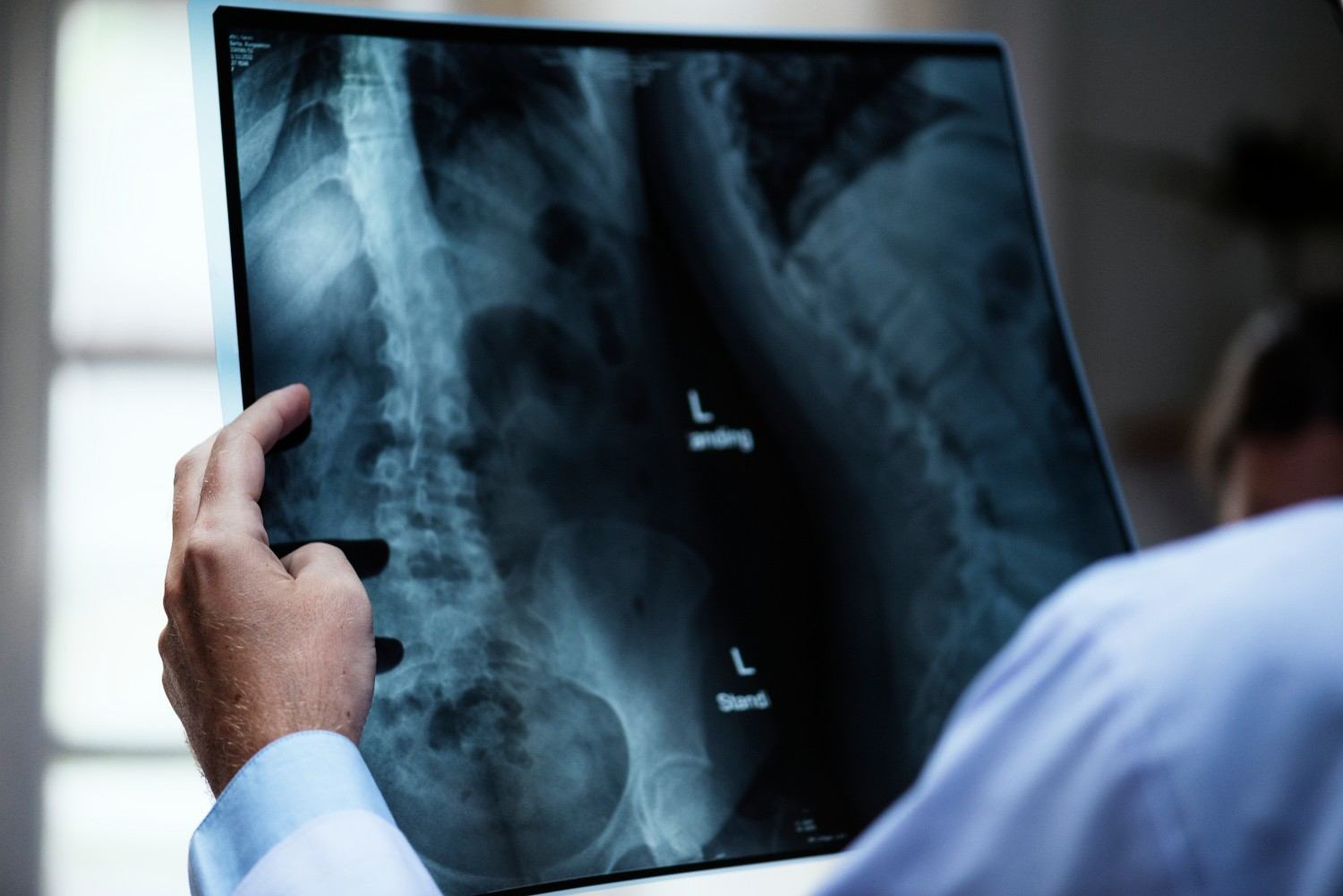
A spine specialist generally begins with a detailed medical history and physical examination. The doctor may assess posture, spinal movement, muscle strength, reflexes, and sensory changes.
Depending on the symptoms, diagnostic tests such as X-rays, MRI scans, or CT scans may be recommended. These tests can help identify abnormalities involving the spinal bones, discs, nerves, and surrounding structures.
The findings allow the Best Spine Doctor in Greater Noida to develop a treatment plan based on the individual's condition and symptoms.
Treatment Options for Spine Disorders
Treatment depends on the specific spine condition and its severity. Many patients may benefit from non-surgical approaches such as medication, physical therapy, guided exercises, activity modification, and lifestyle changes.
When symptoms do not improve with conservative treatment, or when there is significant nerve compression or structural damage, a Spine Surgeon in Greater Noida may discuss interventional, minimally invasive, or surgical treatment options.
The objective is to address the underlying condition, manage symptoms, improve mobility, and support a safe return to daily activities.
Why Timely Spine Care Matters
Ignoring persistent back or neck pain may delay the diagnosis of an underlying spinal condition. Timely assessment can help determine the cause of symptoms and identify suitable treatment options.
A consultation with the Best Spine Doctor in Greater Noida does not automatically mean that surgery will be required. Conservative treatment may be advised initially, depending on the diagnosis.
Conclusion
Back pain can have several causes, ranging from muscle strain to disc problems, nerve compression, and other spinal disorders. Persistent pain, radiating symptoms, numbness, weakness, balance difficulties, or pain after an injury should receive proper medical evaluation.
Consulting a Spine Surgeon in Greater Noida can help with accurate diagnosis and personalised treatment planning. Dr. Gangesh Gunjan can evaluate spine-related symptoms and discuss appropriate treatment options based on the individual's condition.
Frequently Asked Questions
1. When should I see a spine surgeon for back pain?
Consider consulting a spine surgeon when pain persists, worsens, affects daily activities, or occurs with symptoms such as numbness, tingling, or weakness.
2. Does consulting a spine surgeon mean I need surgery?
No, a spine surgeon first assesses the condition and, if necessary, may suggest non-surgical treatment. Surgery depends on the diagnosis and individual circumstances.
3. What conditions can a spine surgeon treat?
Spine surgeons may evaluate conditions such as slipped or herniated discs, sciatica, spinal stenosis, degenerative spine disorders, spinal injuries, and nerve compression.
4. What tests are commonly used to diagnose spine problems?
Depending on the symptoms, a doctor may recommend X-rays, MRI scans, CT scans, or other investigations to assess the spine and surrounding structures.
5. Can spine problems be treated without surgery?
Yes. Depending on the condition, treatment may include medicines, physical therapy, exercises, activity modification, and other conservative approaches.
For more information about Dr. Gangesh Gunjan, visit https://share.google/HvVv22kU9qsZnbsux to learn more about their services or to book an appointment.